


Affordable Moon Lamp Materials: What You Need to Know for Great Value and Eco-Friendly Lighting
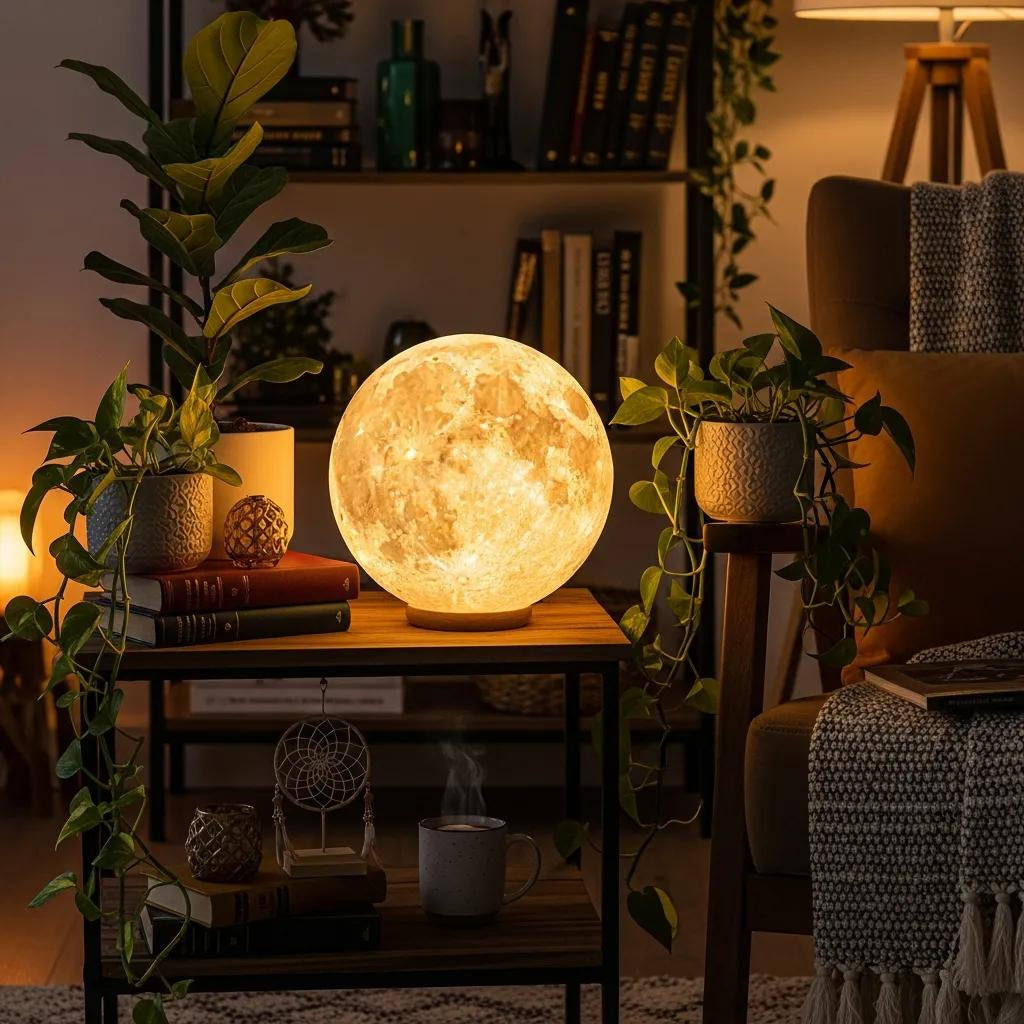
Moon lamps have become a popular choice for home decor, bringing a unique and enchanting vibe to any space. Understanding the materials used in moon lamp production is super important for making smart purchasing decisions, especially if you're after options that offer great value and are kind to the environment. This article will explore the most common materials used in moon lamps, their benefits, and how to pick sustainable choices. Plus, we'll chat about DIY supplies for making your own moon lamp and how different filament types stack up in terms of value and quality. Finally, we'll shine a light on how Galactic Night Co. ensures top-notch materials in their fantastic moon lamps.
What Are the Most Common Materials Used in Moon Lamps?
Moon lamps are typically crafted from a variety of materials, each bringing its own unique properties and perks. The most common materials you'll find include PLA plastic, ABS, and sometimes resin. Getting to know these materials can really help you pick the perfect moon lamp for your home.
| Material | Property | Benefit |
|---|---|---|
| PLA | Biodegradable | Eco-friendly and sustainable |
| ABS | Durable | Strong and impact-resistant |
| Resin | Rigid | Allows for detailed surface textures |
How Does PLA Plastic Benefit Moon Lamp Production?
PLA (Polylactic Acid) plastic is a popular choice for making moon lamps, mainly because it's biodegradable. This material comes from renewable resources like corn starch, making it a truly eco-friendly option. On top of that, PLA offers good value and is easy to work with during the 3D printing process, allowing for those intricate designs and shapes that make moon lamps so visually appealing.
What Are the Durability Features of ABS and Resin Materials?
ABS (Acrylonitrile Butadiene Styrene) and resin are also commonly used in moon lamp production. ABS is well-known for its strength and durability, making it a great choice for lamps that might see a bit more action. Resin, often used in SLA or DLP 3D printing, allows for incredible detail and smooth finishes, but it's generally more brittle than ABS. You won't typically find PVC used in moon lamp production or as filament for 3D printing them.
How Can You Choose Eco-Friendly Moon Lamp Plastics?

When you're picking out moon lamps, it's a good idea to think about the environmental impact of the materials used. Eco-friendly options like PLA are a top pick because of their biodegradable properties. Also, keep an eye out for manufacturers who prioritise sustainable sourcing and production methods.
Why Is PLA Considered an Eco-Friendly Material for Moon Lamps?
PLA gets its eco-friendly badge because it's made from renewable resources and can biodegrade under industrial composting conditions. This means that when it's disposed of correctly, it breaks down more easily than plastics made from petroleum, helping to reduce environmental pollution. Choosing moon lamps made from PLA can really help lessen your carbon footprint while you still enjoy beautiful lighting.
What Safety and Sustainability Factors Should You Consider?
When choosing moon lamps, always consider safety factors like non-toxic materials and sustainable sourcing practices. Make sure the manufacturer sticks to safety standards and uses materials that won't release harmful chemicals. This is especially important for lamps that will be used in kids' rooms or main living areas.
What Are the Best DIY Moon Lamp Supplies Available in Australia?

Creating your very own moon lamp can be a fun and rewarding project! There are several budget-friendly supplies available in Australia that can help you craft a beautiful moon lamp.
- Toilet Paper: A common household item that can be used to create the moon's surface texture.
- Cardboard: Ideal for constructing the lamp's base and structure.
- Plastic Bottles: Can be repurposed as lamp bases or for creating unique designs.
Which Household Materials Are Great Value for DIY Moon Lamps?
Using household materials for DIY moon lamps can save you a bit of cash while letting your creativity shine. Items like toilet paper, cardboard, and plastic bottles can be transformed into stunning lamps with just a little imagination and effort. These materials are not only of great value but also encourage recycling and sustainability.
Where to Source Affordable DIY Moon Lamp Materials in Australia?
You can find budget-friendly DIY moon lamp materials at local craft stores, online retailers, and even through recycling options. Many craft stores offer a wide range of supplies, while online platforms provide convenience and often competitive prices. Plus, consider checking local recycling centres for materials that can be repurposed.
How Do Different Moon Lamp Filament Types Compare in Value and Quality?
When it comes to 3D printing moon lamps, the type of filament you use can really impact both the value and the final quality. Understanding the differences between filament types can help you make smart choices.
What Are the Advantages of 3D Printed PLA Filaments?
3D printed PLA filaments offer several advantages, including how easy they are to print with and their overall value. PLA filaments are known for their excellent print quality and ability to produce intricate designs. They're also generally more budget-friendly compared to other filament types, making them a popular choice for moon lamp production.
How Do ABS and Resin Filaments Affect Moon Lamp Performance?
ABS filaments are known for their heat resistance and durability, making them suitable for lamps that might be exposed to higher temperatures. Resin, used in SLA/DLP printing, provides incredible detail and super smooth surface finishes, but is more brittle and less impact-resistant than ABS or PLA. PVC filaments aren't commonly used for moon lamp 3D printing due to their printing challenges and potential toxicity concerns.
What Premium Materials Enhance Moon Lamp Design and Stability?
For those looking to invest in high-quality moon lamps, premium materials can really boost both the design and stability. Materials like acrylic and aluminium are often used to create visually appealing and sturdy lamps.
How Do Acrylic and Aluminium Improve Moon Lamp Aesthetics?
Acrylic and aluminium are popular choices for premium moon lamps because of their aesthetic appeal. Acrylic gives a sleek, modern look while letting light diffuse beautifully. Aluminium bases add stability and a contemporary touch, making the lamp a striking addition to any decor.
What Are the Benefits of Using Aluminium Bases for Moon Lamps?
Aluminium bases offer several benefits, including their weight and stability. They're resistant to corrosion and can support the lamp's structure effectively. Plus, aluminium's versatility allows for various design options, making it an excellent choice for enhancing the overall look of moon lamps.
How Does Galactic Night Co. Ensure Quality in Their Moon Lamp Materials?
Galactic Night Co. is dedicated to offering fantastic moon lamps that represent great value. Their focus on careful material selection and production processes ensures that customers receive durable and aesthetically pleasing products.
What Material Selection Processes Does Galactic Night Co. Use?
Galactic Night Co. employs rigorous material selection processes to ensure that only the best materials are used in their moon lamps. They prioritise eco-friendly options like PLA while also considering durability and overall value for money. This commitment to quality means customers can expect products that truly meet their expectations.
How Does 3D Printing Technology Support Great Value Moon Lamps?
3D printing technology plays a crucial role in the production of moon lamps that offer excellent value. This innovative method allows for precise designs and efficient use of materials, reducing waste and helping keep our products accessible. As a result, customers can enjoy beautifully crafted moon lamps without stretching their budget.
